
Modern vehicles are marvels of engineering, but they are also complex machines that require consistent care to function at their best. While drivers often remember the basics (like filling up gas or replacing windshield wipers) many overlook the critical components that live under the hood.
Routine under-the-hood inspections are the backbone of preventive maintenance. They catch issues early, ensure safety, and protect your wallet from costly repairs. In this article, we’ll break down exactly what should be checked under the hood on a regular basis, why it matters, and how partnering with a trusted service provider like Trillium Auto Service ensures your vehicle stays road-ready.
Engine Oil: The Lifeblood of Your Car
Engine oil is often described as the lifeblood of your vehicle and for good reason. It lubricates moving parts, reduces friction, and prevents overheating. Without clean, sufficient oil, your engine can quickly suffer catastrophic damage.
What to check:
- Oil level (via the dipstick)
- Oil condition (color and thickness)
- Oil change intervals (every 5,000 to 8,000 km depending on driving habits)
Neglecting oil checks can lead to reduced performance, increased fuel consumption, and in extreme cases, complete engine failure: a repair that can easily cost thousands of dollars.
Coolant Levels and Radiator Health
Your cooling system regulates engine temperature, preventing overheating and freezing in extreme climates. Coolant not only absorbs heat but also protects against corrosion inside the radiator and engine.
What to check:
- Coolant level in the reservoir
- Hoses for cracks or leaks
- Radiator cap for tightness and wear
Overheating is one of the most common causes of roadside breakdowns. A simple coolant inspection can prevent costly damage such as a blown head gasket or warped engine block.
Battery Condition and Connections
A dead battery is more than an inconvenience: it can leave you stranded in unsafe conditions. Fortunately, battery issues are easy to prevent with regular checks.
What to check:
- Battery terminals for corrosion
- Cable connections for tightness
- Battery voltage and overall health
Most car batteries last 3–5 years, but harsh climates (like Canadian winters) can shorten their lifespan. Checking under the hood ensures you’re not caught off guard by a no-start situation.
Belts and Hoses: Silent but Essential
Belts and hoses may not seem urgent, but they’re critical to your vehicle’s operation. A snapped serpentine belt can instantly disable power steering, alternator function, and cooling systems.
What to check:
- Belts for cracks, fraying, or glazing
- Hoses for bulges, leaks, or stiffness
- Tension and alignment of belts
Replacing a worn belt costs far less than repairing the damage caused when one suddenly breaks. Regu lar inspections extend the life of these components and protect your engine.
Brake Fluid and Power Steering Fluid
Fluids under the hood play unique roles, and two of the most important are brake fluid and power steering fluid.
- Brake fluid ensures responsive stopping power. Contaminated or low fluid levels can compromise safety.
- Power steering fluid keeps your steering smooth and precise. Low levels can lead to stiff, unresponsive handling.
What to check:
- Fluid levels in their reservoirs
- Fluid color and clarity (dark or dirty fluid indicates it’s time for a flush)
Both fluids are relatively inexpensive to maintain but critical to overall safety.
Transmission Fluid: Protecting a Priceless Component
Your transmission is one of the most expensive systems to repair or replace. Transmission fluid keeps it cool and lubricated, ensuring smooth gear shifts.
What to check:
- Fluid level using the dipstick (if applicable)
- Fluid color (should be bright red or pink, not brown or burnt-smelling)
- Service intervals (every 50,000–100,000 km depending on driving conditions)
Skipping transmission fluid checks can shorten the lifespan of your transmission and lead to repair bills ranging from $3,000 to $7,000.
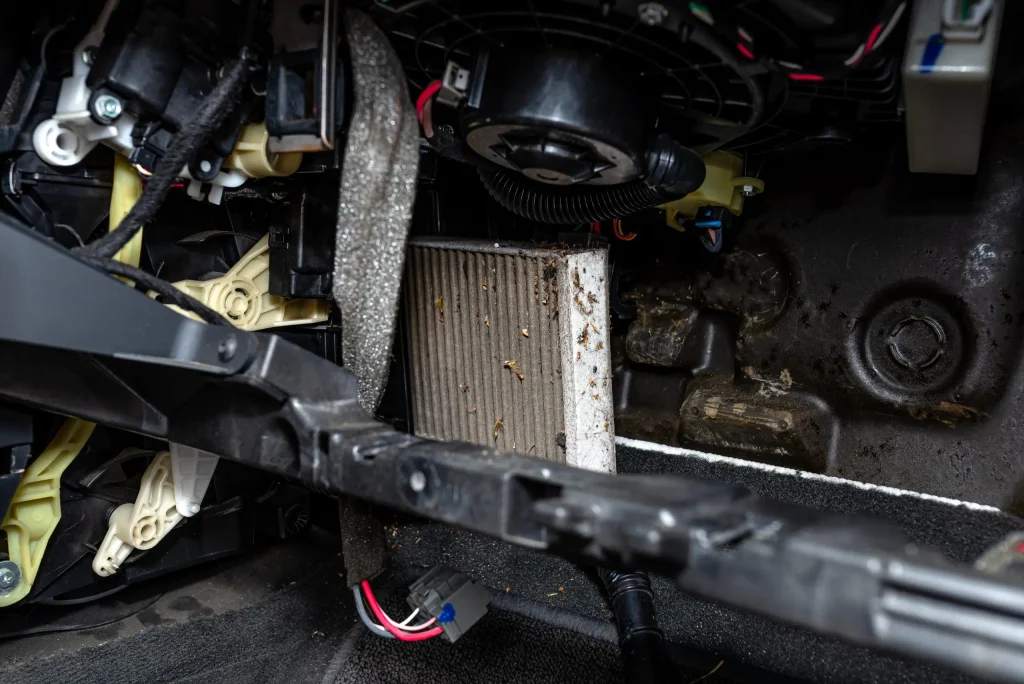
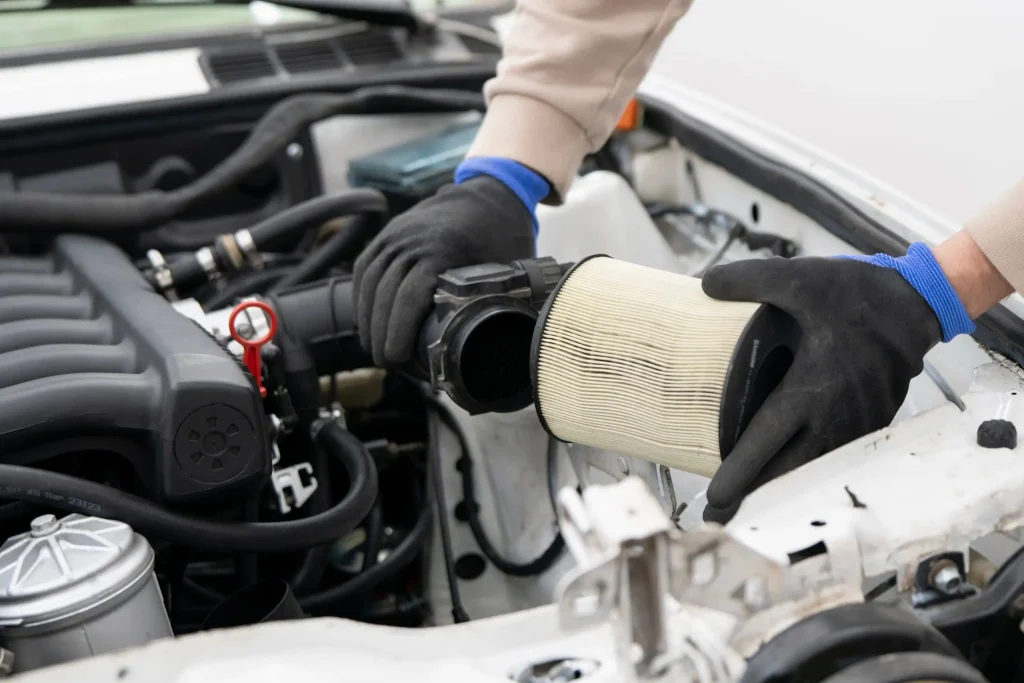
Air Filter and Cabin Filter
Air filters may seem insignificant, but they directly impact both engine performance and cabin comfort.
- Engine air filter prevents dirt, dust, and debris from entering the engine. A clogged filter reduces fuel efficiency and power.
- Cabin air filter improves the air quality inside your vehicle, blocking pollutants and allergens.
What to check:
- Filters for dirt, debris, and discoloration
- Replacement intervals (typically every 20,000–30,000 km)
Replacing filters is inexpensive and improves both vehicle efficiency and driver comfort.
Fuel System and Injectors
The fuel system delivers gasoline to your engine. Dirty or clogged fuel injectors reduce efficiency, power, and reliability.
What to check:
- Signs of clogged injectors (rough idling, poor acceleration)
- Fuel filter condition
- Professional cleaning intervals for injectors
Regular inspections prevent fuel-related issues that can damage the engine or leave you with poor performance.
Spark Plugs and Ignition System
Spark plugs ignite the fuel-air mixture inside your engine. Worn or dirty plugs can cause misfires, poor fuel economy, and starting issues.
What to check:
- Spark plug wear (erosion or carbon buildup)
- Ignition coil health
- Replacement intervals (usually every 50,000–100,000 km depending on the model)
Replacing spark plugs is relatively inexpensive but can dramatically improve performance and reliability.
Trillium Auto Service: Comprehensive Under-the-Hood Inspections
For many drivers, checking all these components under the hood can feel overwhelming. That’s where Trillium Auto Service makes the difference. Specializing in preventive maintenance and full under-the-hood inspections, Trillium Auto Service ensures no detail is overlooked.
Their certified technicians follow a comprehensive checklist, examining everything from fluids and filters to belts, hoses, and battery health. Customers benefit from:
- Transparent service reports
- Honest recommendations on what needs immediate attention and what can wait
- Professional repairs and maintenance with quality parts
Trillium Auto Service mission is to give drivers peace of mind. With their inspections, you’ll know exactly what condition your vehicle is in, reducing the risk of surprise breakdowns or expensive repairs. Whether it’s preparing for a long road trip or ensuring your car is winter-ready, Trillium Auto Service provides the expertise and trust you need under the hood.
Seasonal Considerations for Under-the-Hood Care
Not all inspections are created equal: climate plays a big role.
- In winter, batteries and coolant need extra attention due to extreme cold.
- In summer, belts, hoses, and cooling systems are under added stress from heat.
Adapting under-the-hood checks to the season ensures year-round reliability.
DIY vs. Professional Inspections
While some checks (like topping off windshield washer fluid) can be done at home, most under-the-hood inspections require expertise. Professional technicians have the tools and knowledge to identify problems the average driver might miss.
DIY checks are a good start, but for long-term reliability, pairing them with professional services at a shop like Trillium Auto Service is the best approach.
Long-Term Savings from Regular Inspections
Routine inspections may feel like small expenses, but they add up to significant savings over time. Catching a coolant leak early prevents a $2,000 engine repair. Replacing a worn belt avoids a $1,000 breakdown.
In essence, every under-the-hood check is an investment in avoiding bigger bills later.
Under-the-Hood Inspections: Protecting Your Engine, Your Safety, and Your Future
Under-the-hood inspections are more than a box to check: they’re the foundation of preventive maintenance and safe driving. By regularly monitoring engine oil, fluids, belts, hoses, filters, and more, drivers protect their vehicles from premature wear, costly breakdowns, and safety risks.
For those who prefer professional peace of mind, Trillium Auto Service offers comprehensive, transparent, and reliable under-the-hood inspections. Their team ensures your car is not only roadworthy today but stays dependable for years to come.
When it comes to vehicle care, the cost of skipping inspections far outweighs the effort of doing them. Stay proactive, trust the experts, and keep your car’s heart (the engine) running strong.


